Fotona Laser Treatments for Long-Term Skin Maintenance
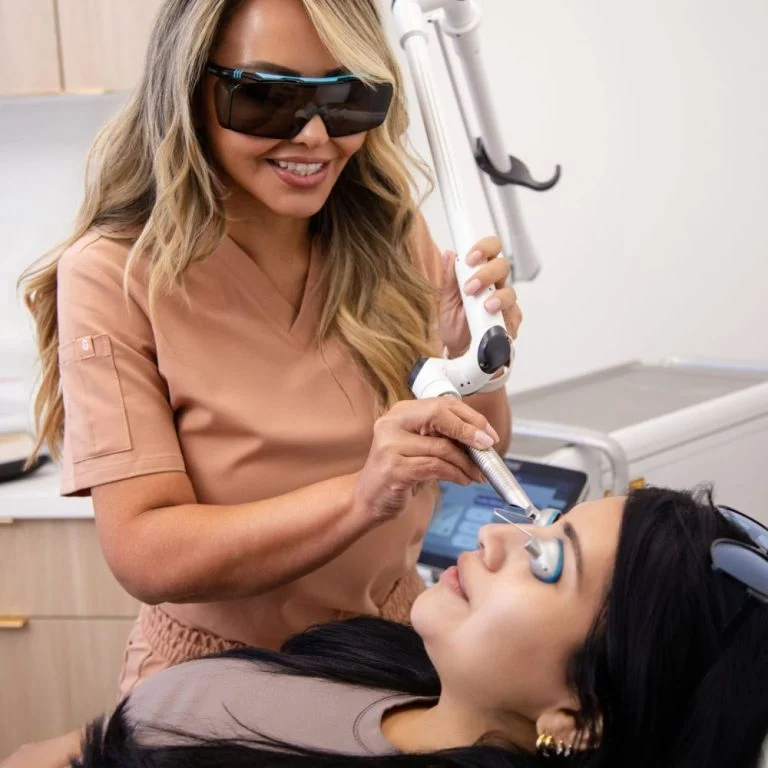
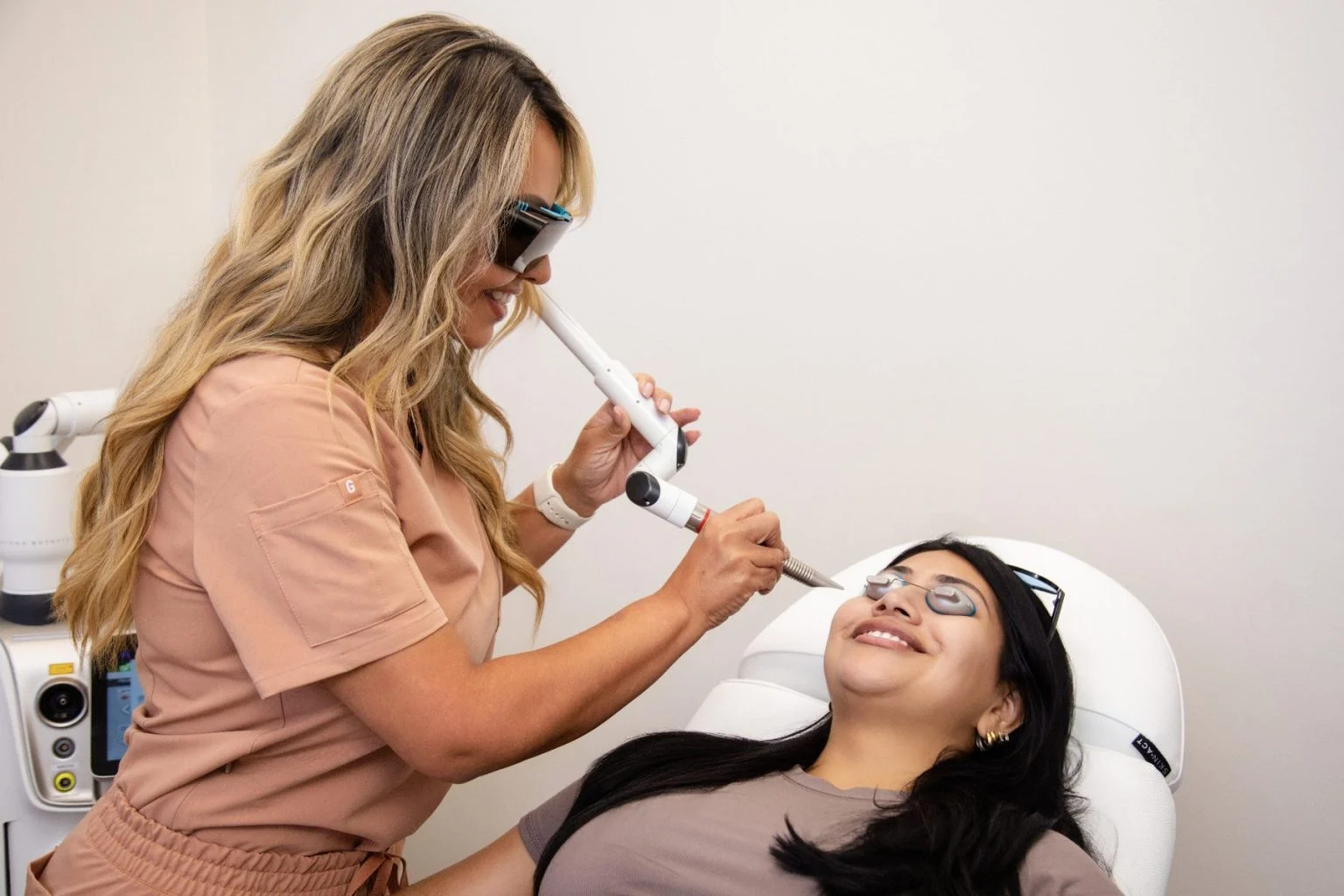

Healthy skin rarely comes from a single dramatic treatment. In practice, it is usually the result of steady maintenance, sensible timing, and choosing procedures that improve function as much as appearance. That is where Fotona Laser Treatments tend to earn their place. They are often discussed in the context of rejuvenation, tightening, resurfacing, and scar revision, but their real value becomes clearer over time. Used thoughtfully, they can fit into a long-term skin plan rather than serving as a one-off intervention.
That distinction matters. Many patients come in asking for something that will "fix everything" in one visit. Skin does not work that way. Collagen remodeling is gradual. Pigment can recur. Texture improves in layers. Vascular redness may lessen, then return with sun exposure or heat. Long-term maintenance means respecting the biology of the skin and using technology in a way that supports it instead of chasing extremes.
Fotona systems have developed a strong following for precisely that reason. They offer a range of laser modes and treatment depths, which gives experienced practitioners room to tailor treatments to age, skin quality, tolerance for downtime, and long-term goals. Not every patient needs aggressive ablation. Not every patient benefits from repeated light treatments either. The art lies in matching the right treatment to the right point in the skin's aging timeline.
What makes Fotona different in a maintenance setting
A lot of aesthetic devices can produce a visible short-term glow. Fewer are genuinely useful over years. Fotona Laser Treatments stand out because they can be adjusted across a wide spectrum, from gentler collagen-stimulating sessions with little interruption to more intensive resurfacing treatments for deeper change.
The platform commonly uses Er:YAG and Nd:YAG wavelengths, each of which behaves differently in tissue. That matters clinically. One wavelength may be more useful for surface refinement and controlled ablation, while another may target deeper dermal heating, vascular concerns, or tightening. In everyday patient care, this versatility makes treatment planning more realistic. A person in their early thirties with mild laxity and uneven texture does not need the same protocol as someone in their late fifties managing etched lines, sun damage, and loss of elasticity.
Long-term skin maintenance benefits from options. When a device can be dialed up or down in intensity, a clinician can build a strategy that changes with the skin. During one phase, the priority may be preserving collagen and texture. Later, the focus may shift toward tightening, resurfacing, or treating periocular creping. A platform that supports that evolution tends to remain useful rather than becoming obsolete after one type of result is achieved.
Skin maintenance is not the same as skin rescue
This is one of the most important mindset shifts for patients. Maintenance is quieter than correction. It is less dramatic, more cumulative, and often more cost-effective over time.
Someone who starts consistent care before major deterioration usually needs less aggressive intervention later. That does not mean beginning at twenty-five with a laser every month. It means paying attention to the first signs that skin quality is changing. Those signs are often subtle: makeup settling differently, pores looking rougher under bathroom lighting, persistent redness around the nose, fine lines that stay at rest instead of disappearing when the face relaxes.
A patient I have seen more than once in clinical settings fits this pattern exactly. She did not have severe aging concerns. She simply noticed that her skin no longer looked as even or springy as it had three years prior. She began with conservative laser maintenance paired with strict sun protection and a solid topical routine. Two years later, she did not look "done." She looked rested, polished, and remarkably consistent. That is often the best outcome in aesthetic medicine. People register that you look well, not altered.
By contrast, skin rescue usually happens after prolonged neglect, heavy UV damage, smoking, inconsistent skincare, or years of inflammation from acne or rosacea. Fotona Laser Treatments can still help in that setting, often very effectively, but the process is usually more intensive. The tissue has more to recover from, and expectations need to be managed carefully.
Where Fotona fits in the aging process
Aging skin does not decline in a straight line. Some changes show up in the epidermis first, others in the dermis, and others in supporting structures below. This is why long-term planning matters more than picking a trendy treatment.
In younger patients, the role of laser maintenance is often preventive and textural. Treatments may aim to support collagen production, refine mild unevenness, improve post-acne marks, and keep skin turnover active. Downtime tends to be lighter, and the intervals between sessions can be longer.
In middle decades, maintenance often shifts toward preserving firmness, managing sun damage, smoothing early static lines, and improving crepey areas before they deepen. At this stage, many patients benefit from alternating lighter and more moderate sessions over the year. It is a practical approach because skin concerns are no longer limited to one layer.
Later on, laser care may become part of a broader plan that includes injectables, topical retinoids, medical-grade pigment control, and sometimes procedures aimed at volume loss. Lasers do not replace structural support where it is needed. What they do exceptionally well is improve skin quality. Better skin quality can make every other intervention look more natural.
The value of collagen stimulation over years, not weeks
Patients often ask when they will see results. The answer depends on the treatment depth, the indication, and the condition of the skin at baseline. Some results are immediate or near-immediate, especially when mild swelling, surface tightening, or fresh exfoliation create a temporary glow. More meaningful changes usually take time.
Collagen remodeling can unfold over several weeks to several months. That timeline frustrates people who expect instant transformation, but it is one of the strongest arguments for long-term treatment planning. Skin that is gently pushed to rebuild itself tends to age better than skin that is repeatedly overtreated for quick impact.
Fotona Laser Treatments are frequently used with this philosophy in mind. A carefully timed sequence can stimulate repair without driving unnecessary inflammation. That balance matters. Too little stimulus may disappoint. Too much can create prolonged redness, barrier disruption, post-inflammatory pigment issues, or patient fatigue from downtime.
The best maintenance plans account for life outside the clinic. A school teacher cannot always disappear for ten days. A corporate executive may be able to tolerate some redness but not visible peeling before a presentation. A parent with small children may want a treatment that feels worthwhile without requiring elaborate aftercare. Practical constraints shape good medicine more than glossy marketing ever will.
Common goals that respond well to ongoing treatment
Some concerns are especially well suited to laser maintenance because they tend to recur or evolve gradually. These are not always the most dramatic cases, but they are often the most satisfying over the long term.
- fine lines and early textural roughness
- enlarged pores and mild acne scarring
- diffuse redness or uneven tone
- sun-related pigment irregularity
- skin laxity that is mild to moderate rather than advanced
The reason these goals respond well is that they reflect cumulative skin behavior. Texture, vascularity, pigment, and collagen integrity all change incrementally. Incremental treatment is often the smartest response.
That said, laser maintenance is not identical for every concern. Diffuse redness may require a different strategy from etched upper lip lines. Mild acne scarring responds differently than dynamic wrinkling around the eyes. Anyone promising one universal protocol is oversimplifying.
Why "less, but regularly" often works better than "more, once"
There is a temptation in aesthetics to chase a large result in a single session. Sometimes that is appropriate, especially for deeper resurfacing or significant scarring. For maintenance, however, regularity often outperforms intensity.
Smaller, well-timed treatments can preserve gains while keeping recovery manageable. This has several advantages. Patients are more likely to stay consistent. The skin barrier has less disruption. Seasonal planning becomes easier. Side effects are easier to control. Most importantly, the face tends to evolve naturally rather than swinging between neglect and overcorrection.
This principle shows up repeatedly in clinical follow-up. Patients who come in once for a strong treatment and disappear for three years usually lose momentum. Patients who commit to a sensible cadence, even if it is only a few sessions spread through the year, usually hold their results better. They also become more observant about triggers like sun, travel, illness, hormonal shifts, and skincare missteps.
Maintenance is not glamorous, but it is effective.
Downtime, discomfort, and the reality patients should expect
Professional treatment planning should always include an honest conversation about inconvenience. Even excellent results can feel disappointing if recovery was downplayed.
With Fotona Laser Treatments, downtime varies widely depending on the specific protocol. Some sessions leave only temporary warmth and mild redness that fade within hours or a day or two. Others can involve more visible erythema, swelling, bronzing, dryness, or flaking. In more intensive resurfacing settings, social downtime may be several days or longer.
Pain is similarly variable. Many patients tolerate lighter sessions well with topical numbing, cooling, or no anesthesia at all. More intensive treatments can be significantly uncomfortable without proper preparation. This is not a reason to avoid treatment, but it is a reason to choose a clinician who explains things plainly.
A useful rule of thumb is that deeper change usually asks more of the patient, whether in recovery, cost, or temporary skin sensitivity. There is no shame in choosing a gentler path if it fits your life better. The best plan is the one a patient can realistically maintain.
Skin tone considerations and why expertise matters
Not every laser suits every skin tone equally, and not every treatment parameter is interchangeable. This is where experience matters far more than brand recognition.
Darker skin tones can absolutely be treated, but the margin for error narrows when there is higher risk of post-inflammatory hyperpigmentation. That does not mean treatment is off the table. It means pre-treatment prep, energy settings, timing, and aftercare become especially important. Sometimes a staged approach is wiser than an aggressive first pass. Sometimes a clinician may defer treatment if melasma is active, the skin barrier is unstable, or recent sun exposure raises risk.
Lighter skin tones may tolerate certain resurfacing approaches more easily, but they are not risk-free either. Persistent redness, sensitivity, acne flares, and poor aftercare can complicate recovery in any skin type.
The phrase "candidate for laser" is too broad to be meaningful by itself. A patient may be a candidate for one Fotona protocol and a poor candidate for another. That nuance is where good outcomes live.
How laser maintenance interacts with skincare and other procedures
Laser does not replace daily habits. It amplifies good ones and exposes weak ones.
A patient using inconsistent sunscreen while expecting long-term pigment control is setting money on fire. A patient who resumes harsh exfoliants too soon after treatment may prolong inflammation. A patient treating chronic rosacea triggers carelessly may undo improvements in redness. Long-term results are built in the unremarkable days between appointments.
Most strong maintenance plans include a few reliable anchors:
- daily broad-spectrum sunscreen
- a well-tolerated retinoid or retinol, when appropriate
- pigment-control or antioxidant support if discoloration is an issue
- bland barrier repair during recovery periods
- seasonal adjustments based on sun exposure and climate
Lasers also work best when integrated thoughtfully with other treatments. Neuromodulators can reduce repetitive movement that etches lines. Fillers may support areas where volume loss, not surface quality, is the main issue. Microneedling, peels, or radiofrequency may have a role depending on the patient. The goal is not to stack procedures indiscriminately. It is to avoid asking one tool to solve problems it is not designed to solve.
In practice, the strongest results often come from restraint. One well-chosen laser session, timed properly around a patient's skincare routine and other procedures, can do more than multiple overlapping treatments performed too close together.
The financial side of maintenance
Patients deserve transparency here. Long-term maintenance can be expensive, but neglect followed by correction is often expensive too. The real question is not whether laser costs money. It is whether the spending pattern makes sense for the goals, age, and alternatives.
A patient in their thirties with relatively mild concerns https://medium.com/@omniawellnesscenter/about may do better with occasional maintenance and excellent topicals than with frequent high-ticket procedures. Another patient with progressive photodamage may find that routine laser sessions prevent the need for more intensive resurfacing later. Neither path is automatically right.
It helps to think in annual terms rather than per-session terms. What does the skin need over a full year, through summer, winter, travel, work events, and downtime limits? That framing usually leads to better decisions than chasing a discounted package without a coherent plan.
When Fotona is a strong choice, and when it may not be
Fotona is a useful platform, but "useful" is not the same as universally ideal. The strongest candidates for long-term use are usually patients who want visible but believable improvement in skin quality, who understand that collagen takes time, and who are willing to pair procedures with disciplined aftercare.
It may be less ideal as a stand-alone answer for someone expecting major lifting from skin laxity alone, or for someone with significant volume loss who really needs structural correction. It may also be the wrong timing for patients with uncontrolled melasma, active skin infections, a disrupted barrier, recent isotretinoin use depending on the treatment being considered, or an inability to avoid sun during recovery.
The best consultations often involve some disappointment at first. A good practitioner may tell a patient that the treatment they had in mind is not the one their skin needs most right now. That is not a sales failure. It is a clinical strength.
A practical rhythm for long-term results
There is no universal calendar, but most successful maintenance follows a rhythm rather than a rigid formula. More intensive resurfacing may be reserved for cooler months when sun exposure is easier to control. Lighter collagen-stimulating treatments may be slotted in around work schedules and social commitments. Skin is reassessed periodically rather than forcing the same protocol every time.
A patient might begin with a short treatment series to create momentum, then shift into spaced maintenance based on response. Another might need one stronger session annually with conservative touch-ups in between. The decision should come from skin behavior, not habit.
What matters most is consistency without overuse. Skin can be encouraged. It should not be harassed.
The less obvious benefit: better-looking skin in motion
Static before-and-after photos flatten the real experience of skin. One of the underappreciated benefits of thoughtful laser maintenance is that skin often looks better in motion, under overhead lighting, and at conversational distance. Texture catches less shadow. Makeup sits more evenly. The skin reflects light more consistently. Those improvements can be modest on paper and still make a person feel significantly more confident.
That is why many patients stay with laser maintenance long after the novelty wears off. They are not chasing a dramatic reveal anymore. They simply prefer how their skin behaves when it is regularly cared for at a deeper level.
Fotona Laser Treatments fit well into that philosophy. They are not magic, and they are not the answer to every cosmetic concern. Used judiciously, though, they offer something more valuable than hype: a reliable way to support skin quality over time, adapt treatment intensity as needs change, and build results that still look like your own face, only better maintained.
For patients thinking beyond a single event or a single season, that is often the smartest goal of all.
OMNIA Wellness Center
Address: 16430 Ventura Blvd Ste 207, Encino, CA 91436
Phone number: +18183868511
FAQ About Fotona Laser Treatments
What is a Fotona laser good for?
A Fotona Laser system is a versatile, dual-wavelength medical laser used primarily for non-surgical skin tightening, anti-aging rejuvenation, and dermatological treatments.
How much does the Fotona laser cost?
The cost of a Fotona laser depends heavily on whether you are looking to purchase a laser machine for a medical practice or are a patient seeking a laser treatment at a medspa.
Is a Fotona laser worth it?
A Fotona laser treatment is generally worth it if you want non-surgical skin tightening, improved texture, and collagen stimulation with very little downtime.