Fotona Laser Treatments for Skin Resurfacing Without Surgery
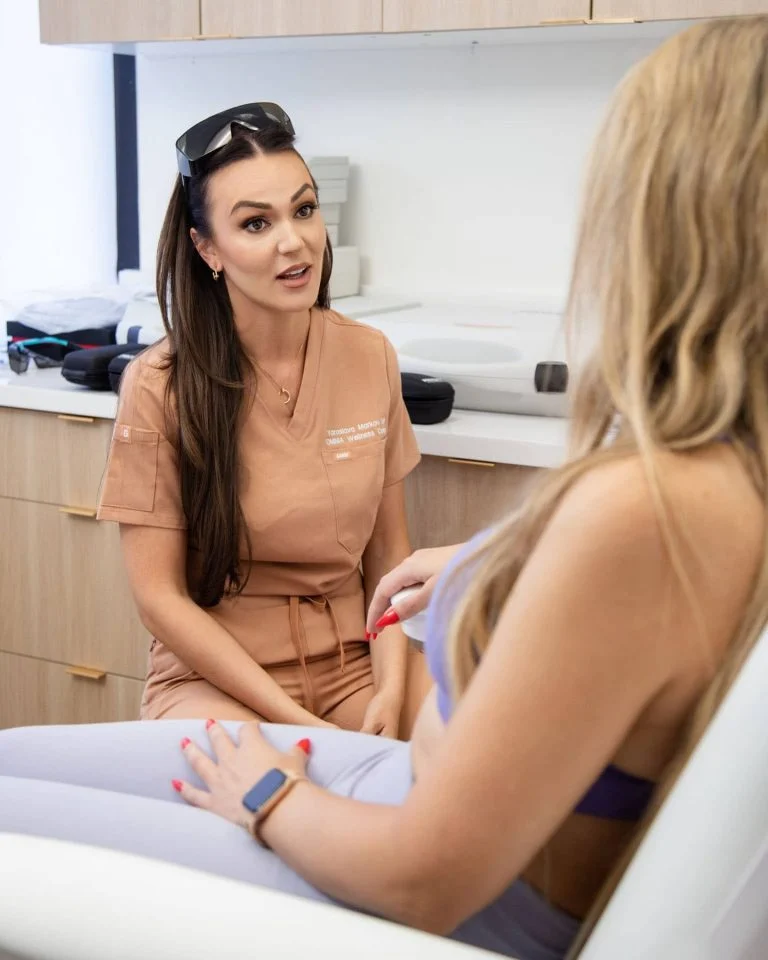
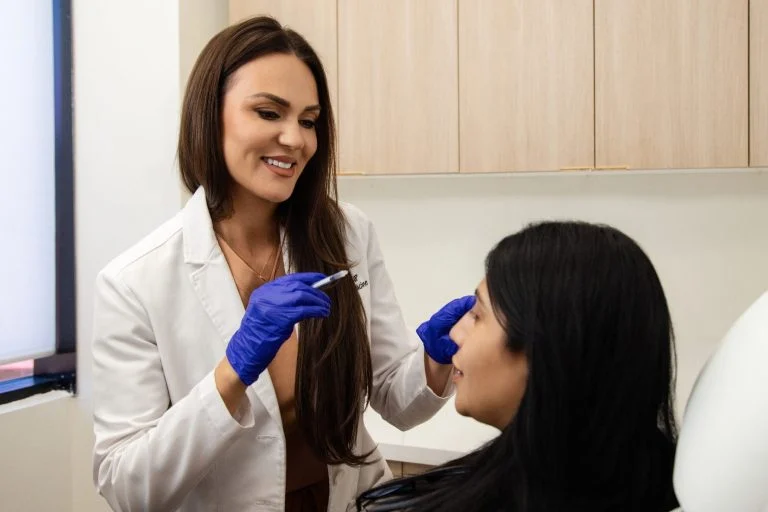
Skin resurfacing used to force a fairly stark choice. A person either accepted texture changes, enlarged pores, acne scars, and early laxity, or moved toward stronger procedures with more downtime and more risk. That middle ground, where meaningful improvement happens without surgery, has become far more sophisticated. Fotona Laser Treatments sit firmly in that space.
Patients usually arrive with a familiar mix of goals. They want smoother skin, but not weeks of social downtime. They want collagen stimulation, but they are wary of surgical lifting. They want to soften acne scarring, crepey texture, sun damage, or fine lines, yet they do not want a result that looks overdone or fragile. In practice, this is where Fotona platforms often earn their place. They give clinicians several ways to treat the same patient, sometimes within one session, using different wavelengths and delivery modes to address surface quality, deeper remodeling, and even tissue tightening.
The phrase "non-surgical resurfacing" can sound vague in marketing, so it helps to define what it means in the treatment room. Skin resurfacing is not one single effect. It can refer to exfoliating damaged outer layers, heating the dermis to trigger collagen remodeling, stimulating circulation, tightening tissue, or smoothing textural irregularities over time. Fotona systems are valued because they can approach those goals from more than one angle instead of relying on a single laser behavior.
What makes Fotona different
Fotona is best known for laser platforms that commonly combine Er:YAG and Nd:YAG wavelengths. That matters because these wavelengths behave differently in tissue. Er:YAG is strongly absorbed by water, which makes it effective for precise ablation and superficial resurfacing. Nd:YAG penetrates more deeply and is often used for heating deeper layers, vascular concerns, and tightening protocols.
That combination gives experienced practitioners flexibility. A patient with mild acne scarring and uneven tone may benefit from a resurfacing-focused plan with controlled ablation. Another patient with laxity around the lower face may need deeper thermal stimulation with only light surface disruption. A third may need both. In the real world, that versatility often matters more than brand familiarity.
Many devices promise "collagen renewal," but not all of them can be tuned with enough precision for different skin concerns, skin thicknesses, and recovery preferences. One reason clinicians keep returning to Fotona Laser Treatments is the ability to adjust treatment intensity across a wide spectrum. A patient can start conservatively, assess healing and response, and progress if needed. That stepwise approach is especially useful for cautious first-time laser patients.
The main resurfacing approaches within Fotona treatment plans
It is helpful to think of Fotona resurfacing as a toolbox rather than a single procedure. Depending on the platform and protocol, treatment may be delivered as light polishing, fractional resurfacing, deeper tissue heating, or layered "inside and outside" rejuvenation.
Er:YAG modes are often chosen when texture is the main complaint. Fine lines around the mouth, superficial acne scarring, enlarged pores on the cheeks, and rough sun-damaged skin respond well when the outer layers are treated with precision. Compared with older fully ablative approaches, modern erbium resurfacing can be tailored more delicately, which changes the recovery experience substantially.
Nd:YAG modes are more about depth and thermal effect. These are commonly used to tighten, stimulate collagen, and improve overall skin quality without necessarily creating the same visible surface shedding that patients associate with traditional resurfacing. This matters for people who want noticeable change but cannot disappear from work or family obligations for ten to fourteen days.
Some Fotona protocols combine both effects in sequence. This is one of the more interesting aspects of treatment. A clinician may use deeper heating to trigger remodeling, then layer in superficial rejuvenation to improve texture and radiance. Patients often understand this best when it is explained in plain language: one part works under the skin, the other improves what you can see on the surface.
Concerns that tend to respond well
The best candidates are rarely those chasing perfection. They are usually patients with a specific, visible concern and realistic expectations about gradual improvement. Fotona Laser Treatments are often used for acne scars, fine lines, dull texture, pore size, mild to moderate laxity, and signs of photoaging. They can also play a role in maintenance for patients who are not ready for surgical procedures.
Acne scarring is one of the most common reasons people ask about resurfacing. Not every scar behaves the same way. Shallow rolling scars, textural unevenness, and enlarged pores often respond more readily than deep ice-pick scars. In clinic, this is an important conversation because disappointment usually comes from lumping all "acne scars" into one category. A patient may see meaningful improvement in overall skin smoothness and still need other modalities, such as subcision, focal TCA treatment, or fillers, for certain scar types.
Fine lines around the mouth and eyes can also improve, though the degree depends on how etched those lines are and how much movement contributes to them. Sun damage, roughness, and a creased, tired look often respond particularly well because resurfacing directly addresses accumulated superficial damage while stimulating new collagen.
Mild laxity is where expectations need the most care. Laser tightening can help, especially in the lower face, jawline, and under-eye area, but it does not replace surgery when skin redundancy is significant. Patients in their late thirties to fifties with early sagging often appreciate these treatments the most because the tissue still has enough elasticity to respond.
What treatment actually feels like
People often ask whether laser resurfacing is painful, and the honest answer is that it depends on the protocol. Light polishing treatments may feel hot and prickly. Stronger erbium resurfacing can feel sharp without adequate numbing. Deeper tightening protocols often produce a repetitive heat sensation that becomes more noticeable in thinner areas like the temples or upper lip.
Topical anesthetic is commonly used, and for more intensive sessions a clinic may add cooling, local anesthesia in small areas, or comfort measures that make the experience far more tolerable than patients expect. Most people describe the treatment as manageable rather than easy. That distinction matters. Good laser work does not need to sound glamorous to be effective.
Immediately afterward, the skin may look pink to red, feel warm, and show mild swelling. With superficial non-ablative or light fractional settings, some patients return to routine the next day with only modest redness. With stronger resurfacing, the skin can develop a bronzed or rough "sandpaper" feel before flaking and renewing over several days. More aggressive sessions can require closer to a week of visible healing, sometimes a bit longer depending on intensity and skin sensitivity.
One detail patients often appreciate hearing in advance is that healing is not always linear. Day two can look worse than day one. Swelling around the eyes may peak the morning after treatment. Dryness and tightness can be more annoying than pain. None of this is unusual, but it is easier to handle when expected.
Downtime is not one number
Marketing tends to flatten downtime into a single phrase, usually "minimal." That is rarely useful. Downtime with Fotona Laser Treatments depends on which wavelength was used, whether the treatment was ablative or non-ablative, how aggressively it was performed, what area was treated, and how the patient heals.
A light lunchtime-style treatment may leave only transient redness for a day or two. A medium resurfacing session may create three to five days of roughness, flaking, and social redness that makeup only partly disguises. A stronger session can involve nearly a week of healing and another stretch of residual pinkness. This variation is not a flaw, it is part of what makes the platform adaptable. But patients deserve a more precise answer than "you should be fine tomorrow."
I have seen the best outcomes when the treatment plan matches the patient's calendar just as carefully as it matches the skin condition. Someone with a public-facing job, a wedding, frequent exercise, or a history of post-inflammatory pigmentation needs a different strategy from someone who can take a quiet recovery week. The technology matters, but planning matters almost as much.
Why technique matters more than the device name
Patients often shop by device because that is the part they can easily compare online. In practice, the operator's judgment shapes the result. The same platform can produce elegant, gradual improvement in one setting and excessive irritation or underwhelming change in another.
Laser fluence, pulse duration, spot pattern, overlap, pass count, skin preparation, and post-treatment care all influence the outcome. So does restraint. It is tempting to think stronger equals better, but over-treatment can prolong redness, increase the risk of pigmentation issues, and compromise barrier recovery without improving final results.
This is especially true in darker skin tones or patients prone to melasma, redness, or inflammatory reactions. Fotona systems can often be adapted safely, but patient selection and parameter choice become critical. A practitioner who works routinely with a range of skin types will usually be more careful about staging treatment, preconditioning the skin, and setting expectations around pigment risk.
The patients who tend to do best
A good candidate is not just someone with a cosmetic concern. It is someone whose goals align with what the treatment can realistically deliver.
- Patients with mild to moderate texture change, fine lines, enlarged pores, or shallow acne scarring often see the clearest benefit.
- Patients with early laxity who want improvement without surgery usually do better than those expecting a facelift-level change.
- Patients willing to complete a series, or combine laser with complementary treatments, tend to be happier than those expecting a one-time miracle.
- Patients who follow sun protection and aftercare closely heal more predictably and protect their results.
- Patients with active infections, very recent tanning, certain pigment disorders, or unrealistic expectations usually need postponement or a different treatment path.
That final point is easy to underestimate. Good laser medicine includes saying no, not because the technology is limited, but because timing and fit matter. Treating over inflamed acne, fresh sun exposure, or poorly controlled rosacea can create avoidable problems.
How many sessions are usually needed
This depends on the endpoint. For glow, pore refinement, and mild texture changes, a series of three to four sessions spaced several weeks apart is common. For deeper acne scars or more established photoaging, treatment may need to be more intensive or extended over several months. Tightening results also build gradually because collagen remodeling is slow. Patients often notice some immediate firmness from tissue contraction, but the more meaningful change usually emerges over eight to twelve weeks and continues after that.
There is no universal number because the skin you start with changes the math. A 32-year-old with early textural dullness may be thrilled after two gentle sessions. A 48-year-old with years of sun exposure, smoker's lines, and lower-face laxity may need a layered plan and maintenance. Honest consultations translate laser language into personal timelines, not generic package counts.
How Fotona compares with other resurfacing options
Patients often ask how Fotona stacks up against fractional CO2, radiofrequency microneedling, chemical peels, or broad non-ablative resurfacing. The answer depends on the problem being treated.
CO2 laser resurfacing is often stronger for dramatic wrinkle reduction and scar remodeling, but it typically comes with more downtime and a higher burden of aftercare. For the right patient, that trade-off is acceptable. For others, it is too disruptive. Fotona erbium-based resurfacing can offer a smoother recovery profile with meaningful textural improvement, especially when precision and controllability are priorities.
Radiofrequency microneedling can be excellent for acne scars and tightening, particularly in patients who want less surface injury. Chemical peels help pigment and superficial texture but do not offer the same depth or tissue-specific control. Non-ablative lasers can freshen tone and stimulate collagen with limited downtime, though they may require more sessions or produce subtler changes.
One treatment is not "best" in the abstract. The right comparison is between a specific patient's concern, their tolerance for downtime, their skin type, and the operator's expertise with each modality. Some of the strongest rejuvenation plans combine approaches over time rather than relying on one device to do everything.
Aftercare shapes the result more than many people expect
The treatment does not end when the laser stops. Skin that has been resurfaced is temporarily vulnerable. It loses water more easily, reacts more quickly, and can pigment if it is not protected.
For the first several days, care is usually gentle and boring by design. Bland cleanser, non-irritating moisturizer, diligent sun avoidance, and broad-spectrum sunscreen once the skin tolerates it. Strong retinoids, exfoliating acids, aggressive exercise, and excess heat usually need to wait. Patients who resume active skincare too early often create redness and stinging that they mistake for a bad treatment result.
A short, practical aftercare routine usually works better than a shelf full of products:
- Cleanse gently with lukewarm water and a non-stripping formula.
- Keep the skin moisturized to reduce tightness and support barrier repair.
- Avoid direct sun, sweating, saunas, and hot environments during early healing.
- Pause retinoids, acids, scrubs, and other irritating actives until cleared to restart.
- Use sunscreen consistently once the skin is ready, and continue long after visible healing ends.
This sounds simple because it is simple. Most complications after resurfacing come from friction, heat, picking, over-cleansing, or sun exposure, not from a lack of exotic products.
Risks, trade-offs, and what is often glossed over
No laser treatment is risk-free. Even in skilled hands, temporary redness, swelling, dryness, sensitivity, acne flares, and post-treatment breakouts can happen. Pigment changes are a real possibility, especially in deeper skin tones, recently tanned skin, or patients with a history https://titusbryj301.cloudhinter.com/posts/fotona-laser-treatments-for-comprehensive-facial-revitalization of melasma or post-inflammatory hyperpigmentation. Cold sore reactivation is another practical concern around the mouth if a patient is prone to it.
Persistent redness is uncommon but possible after stronger resurfacing. Infection is rare but important. Scarring is uncommon in experienced hands, yet it remains part of informed consent because laser energy is powerful and skin biology is variable.
There is also a less dramatic trade-off that deserves mention: maintenance. Skin keeps aging. Sun exposure accumulates. Collagen breakdown continues. Fotona Laser Treatments can reset and improve, but they do not freeze time. Patients who understand this usually make better choices. They see resurfacing as part of long-term skin management rather than a single event.
Cost and value, viewed realistically
Pricing varies widely by geography, treatment intensity, and the credentials of the provider. A light session may cost far less than a combined, physician-delivered resurfacing treatment using multiple modalities in one visit. Rather than asking only whether the treatment is expensive, it is more useful to ask what is being purchased: physician time, device sophistication, customized settings, anesthesia support, follow-up, and a realistic safety framework.
The lowest quote is not always the best value if it comes with rushed evaluation or inexperienced execution. On the other hand, the priciest treatment is not automatically the most appropriate. Good clinics explain not just the cost of a session but the likely total plan, including how many treatments may be needed and what maintenance might look like.
Where these treatments fit in a broader anti-aging plan
Laser resurfacing does not exist in isolation. Skin quality improves fastest when a few basics are handled well: sun protection, appropriate home skincare, realistic scheduling, and selective use of adjunctive treatments. Some patients combine Fotona resurfacing with neuromodulators for dynamic lines, fillers for volume loss, vascular lasers for redness, or microneedling and scar-specific procedures for more stubborn textural defects.
That combination approach is not about upselling. It reflects how aging actually presents. Texture, tone, laxity, volume loss, movement lines, and pigment changes are different problems. One laser can improve several of them, but not all to the same degree. When clinicians are honest about that, patients usually feel more confident, not less.
A measured path to visible change
The appeal of Fotona Laser Treatments is not that they are magical. It is that they can be tailored with unusual precision, from gentle refreshment to more committed resurfacing, while staying on the non-surgical side of the line. For many patients, that is exactly the sweet spot. They want visible improvement in texture, pores, scarring, and early laxity, but they still want to recognize themselves in the mirror and maintain control over recovery time.
The best results come from careful matching of treatment depth to the actual problem, thoughtful session planning, and disciplined aftercare. Done well, these treatments can make skin look smoother, clearer, tighter, and more rested without the leap to surgery. That is not a small promise. It is simply one that works best when it is made with precision rather than hype.
OMNIA Wellness Center
Address: 16430 Ventura Blvd Ste 207, Encino, CA 91436
Phone number: +18183868511
FAQ About Fotona Laser Treatments
What is a Fotona laser good for?
A Fotona Laser system is a versatile, dual-wavelength medical laser used primarily for non-surgical skin tightening, anti-aging rejuvenation, and dermatological treatments.
How much does the Fotona laser cost?
The cost of a Fotona laser depends heavily on whether you are looking to purchase a laser machine for a medical practice or are a patient seeking a laser treatment at a medspa.
Is a Fotona laser worth it?
A Fotona laser treatment is generally worth it if you want non-surgical skin tightening, improved texture, and collagen stimulation with very little downtime.